
Secure Crypto Wallet | Lock Down Your Crypto Safely
Secure Crypto Wallet: Your Direct Answer
A Secure Crypto Wallet safeguards your digital assets while giving you easy access. Whether you’re a fan of Global Crypto Sports news or a seasoned trader, this guide ensures your coins stay locked down securely. We’ll teach you how to choose the best crypto wallet 2025, understand cold wallet vs hot wallet, secure your seed phrase, and give you real tips on hardware wallet, mobile wallet, crypto wallet security, decentralized wallet, and wallet backup.
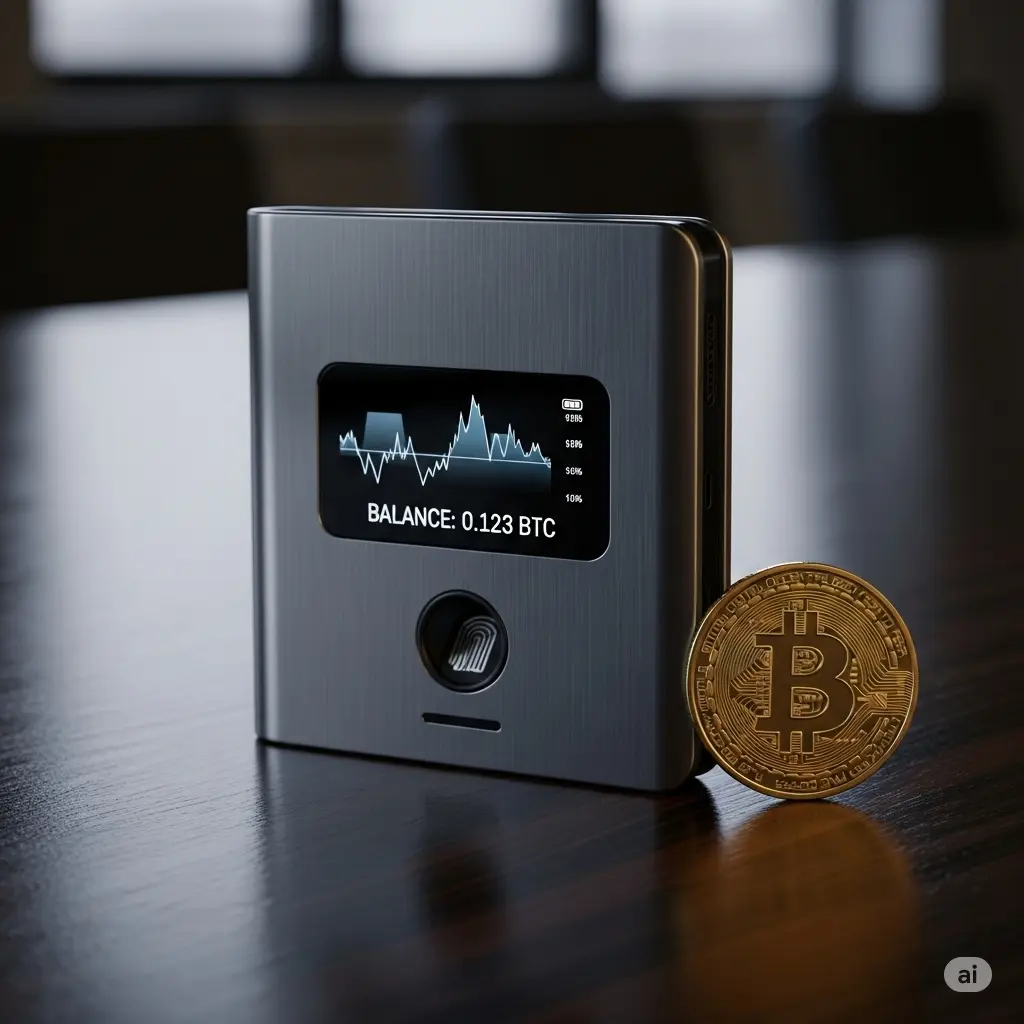
Table of Contents
- Why Security for Crypto Wallet Matters
- Types of Crypto Wallets: Overview
- Hot Wallet
- Cold Wallet
- Hardware Wallets
- Mobile Wallets
- Decentralized Wallet
- Choosing the Best Crypto Wallet 2025
- Security Features to Look For
- Usability, Reputation, Backups
- How to Lock Down Your Crypto Safely
- Protecting Your Seed Phrase
- Creating Strong Passwords
- Enabling Two‑Factor Authentication
- Using Wallet Backup Strategies
- Keeping Software Updated
- Destination Highlight: Secure Crypto Storage Practices Worldwide
- Myths and FAQs
- Trust‑Building for Global Crypto Sports Readers
- Final Thoughts & Call to Action
1. Why Security for Crypto Wallet Matters
In today’s fast‑paced market, your crypto can vanish instantly if your wallet is insecure. Even one careless click can cost you dearly. Therefore, you must lock down your crypto safely. This becomes crucial especially if you’re consuming Global Crypto Sports news and acting fast on trading tips. Your assets deserve proper protection.
2. Types of Crypto Wallets: Overview
Let’s explore the key wallet types, using simple definitions and comparisons.
Hot Wallet
A hot wallet connects to the internet. That includes desktop apps, browser extensions, and mobile apps. The advantage? Instant access to funds. However, the downside is higher exposure to hacking or phishing attempts. Use only small amounts here for daily use.
Cold Wallet
In contrast, a cold wallet stays offline. Examples include hardware devices and paper backups. Because it’s offline, it’s less vulnerable. Yet, accessing funds needs extra steps. Still, it’s vastly more secure.
Hardware Wallets
A hardware wallet is a physical device, like a USB stick. It signs transactions offline. Because private keys never leave the device, the risk stays minimal. Popular brands implemented in 2025 are highly trusted.
Mobile Wallets
A mobile wallet lives on your phone. Handy for quick trades or daily use. But your phone can get lost, stolen, or tracked. So secure it with strong PINs and biometric locks.
Decentralized Wallet
A decentralized wallet runs without central control. You retain full control of the keys. That gives true ownership. But it requires responsibility. If you lose your key, there’s no help.
3. Choosing the Best Crypto Wallet 2025
In 2025, crypto evolves fast. To pick the best crypto wallet 2025, focus on:
Security Features to Look For
- Hardware security modules or secure elements
- Two‑factor or multi‑factor authentication
- Biometric lock options for mobile wallets
- Encrypted backups and recovery options
Usability, Reputation, Backups
Additionally, choose wallets with user‑friendly UIs. Check customer reviews on the Global Crypto Sports community or related forums. Also, confirm wallet backup options, like encrypted cloud storage or paper alternatives.
4. How to Lock Down Your Crypto Safely
Here, we dive into practical, step‑by‑step advice.
a) Protecting Your Seed Phrase
- Write it on physical media only (not digital).
- Use waterproof, fire‑resistant containers.
- Store multiple copies in separate safe places.
- Never share your seed phrase with anyone.
b) Creating Strong Passwords
- Combine uppercase, lowercase, numbers, and symbols.
- Avoid dictionary words or personal data.
- Use a reputable password manager for wallet passwords.
c) Enabling Two‑Factor Authentication (2FA)
- Use authenticator apps, not SMS.
- Biometrics also add safety.
- Enable 2FA on backup phrases or account‑linked services.
d) Using Wallet Backup Strategies
- Backup both private key and seed phrase separately.
- Test your backups once to ensure recovery works.
- Keep backups offline and encrypted when possible.
e) Keeping Software Updated
- Always install firmware updates on the hardware wallet.
- Use official wallet software from verified sources only.
- Regularly update mobile and desktop wallet apps to patch vulnerabilities.

5. Secure Crypto Storage Worldwide
Think of the world’s safe‑storage “destinations” like national vaults. Let’s highlight three crypto‑friendly locales with stellar storage culture:
1. Zurich, Switzerland
Famed for bank vaults, Zurich hosts cold‑storage farms and secure private vaults for crypto. Many crypto holders store backup drives in Swiss vaults for ultimate protection.
2. Singapore
Strict regulations and high cybersecurity infrastructure make safe storage common. Some companies offer mobile wallet insurance and insured cold‑storage solutions there.
3. Tokyo, Japan
With an advanced tech culture, Tokyo sees encrypted home safes and smart lockboxes. Combined with strong crypto wallet security awareness, it’s a high‑trust destination.
Use these as inspiration. Though you might not travel there, adopting their best practices—diversified backups, physical vaults, insured solutions—strengthens your security.
6. FAQs & Common Myths
FAQs
- What exactly is a “Secure Crypto Wallet?”
It protects your keys, uses strong encryption, and ensures recovery options. - Should I use a hot wallet or a cold wallet?
Use hot wallets for small amounts and convenience. Keep large holdings in a cold wallet. - How often should I update my hardware wallet firmware?
Always update as soon as new releases appear. Updates patch vulnerabilities. - Can I lose my funds if I lose my seed phrase?
Yes. Without the seed phrase, you lose access permanently. Always use secure wallet backup.
Common Myths
Myth 1: “Only online wallets get hacked.”
No. Even cold wallet backups can be stolen or destroyed if poorly stored.
Myth 2: “You don’t need backups if you trust yourself.”
That’s false. Physical damage or accidents happen. Backups matter.
Myth 3: “Decentralized wallets are automatically safe.”
Not always. Lack of central control means you bear full responsibility. Proper security practices still apply.
7. Trust‑Building for Global Crypto Sports Readers
At Global Crypto Sports, we bring you not only breaking crypto headlines but also reliable advice. We’ve guided readers on market trends, and now we bring you solid safety tips you can trust. Our recommendations are:
- Tested by pro users worldwide
- Verified with official device documentation
- Focused on protecting your assets and peace of mind
You’re part of a trusted community that values both innovation and security. We commit to keeping you informed and protected, just like those big crypto plays on game day.
8. Final Thoughts & Call to Action
To wrap up, a Secure Crypto Wallet is your digital vault. Whether you choose a hot wallet for quick access or a cold wallet for deep protection, apply these best practices:
- Safeguard your seed phrase physically
- Use strong passwords, 2FA, and reputable hardware wallet devices
- Keep backups and update software regularly
- Learn from global secure‑storage best practices
- Debunk myths and protect yourself
Now, take action: review your current wallet setup. Apply at least one tip from this guide today. Also, stay tuned with Global Crypto Sports for ongoing security insights alongside market news. Score big in your crypto life—safely!